



Growing Together: Companion Planting + Crop Rotation Made Simple
Updated: Sep 30, 2025
There’s something deeply satisfying about watching a garden thrive—not just because of the plants, but because of how they care for each other. You know those people who just click the moment they meet? Plants have those kinds of friendships too. It’s called companion planting, and when you pair it with crop rotation (think of it as giving your soil a little day of rest), you’ve got a recipe for a wildly happy, thriving garden.These two simple strategies can transform your garden from a patch of plants into a flourishing, harmonious ecosystem. And the best part? You don’t need a degree in botany—just a willingness to listen to what your plants are trying to tell you. Let’s dig in.
Companion Planting: Friends in the Garden
Companion planting is the art (and a lot of science) of growing plants together that help each other out. Your garden is a community—each plant brings something to the table. Some attract helpful insects, some deter pests, and others improve the soil or even enhance flavor.
A few of my favorite pairings:
Tomatoes + Basil: These two are besties. Basil keeps pests away and makes your tomatoes taste better (no joke). Plus, they smell like a summer kitchen when the sun hits them and who doesn't want 2/3 of a Caprese salad in their garden?
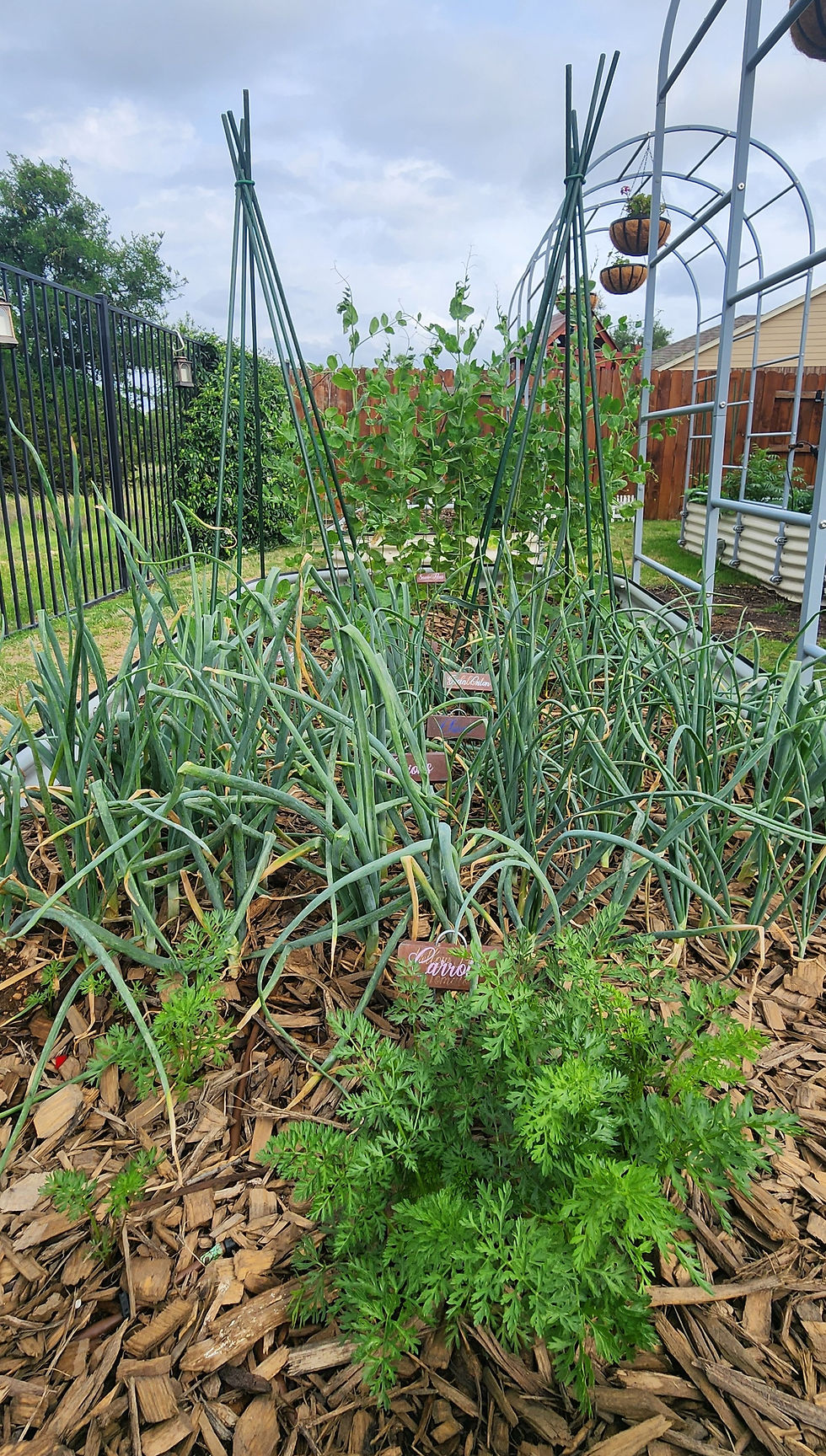
Carrots + Onions: Like the introvert and extrovert who balance each other out. Onions chase off the bugs that like to chew on carrots. Carrots help aerate the soil. Sweet harmony.
Corn, Beans + Squash (aka the Three Sisters): This ancient trio is basically a masterclass in teamwork—corn stands tall, beans climb up it, and squash shades the soil and keeps weeds in check.
But not all plants are meant to be neighbors…
Beans + Onions? Awkward. Onions can stunt bean growth. Now, you will notice a little later that I have soybeans and onions planted together. This is strictly experimental. There is conflicting information on whether soybean and onions want to throw down or simply ignore one another.
Fennel + Anything? Fennel is the moody artist of the garden—beautiful but prefers solitude. It's also the black jelly bean of the garden. No, seriously, it tastes like licorice. You can't taste awful and be a diva. That's a good way to not be invited to the garden at all.
Companion planting is like planning a seating arrangements at a garden tea party. Some guests sparkle together, others...not so much. But they all deserve to be there...except fennel, as previously established.
Crop Rotation: The Gentle Art of Rest
Crop rotation sounds complicated, but it’s really just a way to keep your soil from getting tired and your pests confused.
The idea is simple: don’t plant the same kind of crop in the same spot every year. This prevents nutrient depletion, reduces disease, and keeps pests from settling in for the long haul.
Here’s a simple rhythm I use:
Leaf crops (lettuce, kale, spinach) – light feeders, easygoing.
Fruit crops (tomatoes, peppers, squash) – hungry for nutrients.
Root crops (carrots, beets, radishes) – dig deep and aerate.
Legumes (peas, beans) – the givers, adding nitrogen back into the soil.
Think of it like rotating roles in a family—everyone takes a turn giving and receiving.
I've taken out some of the guess-work and created a simple crop rotation schedule for you, which you can access by clicking the Crop Rotation Chart link below.
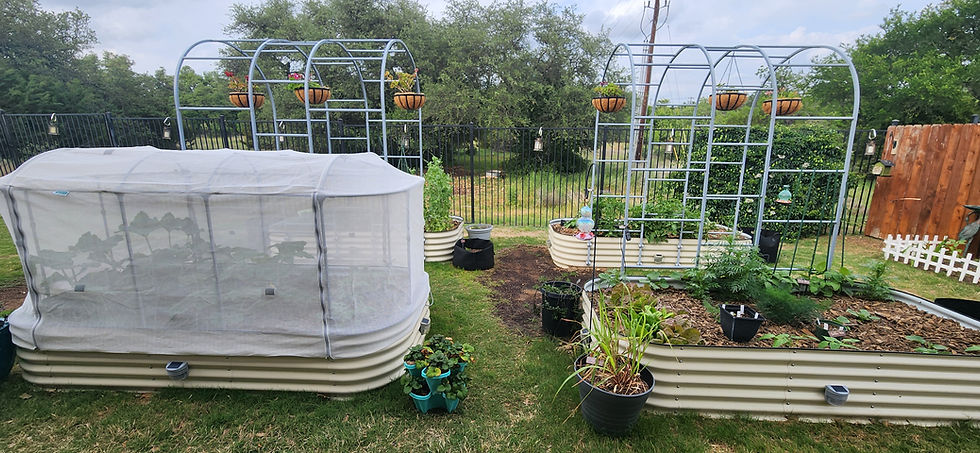
This rotation plan isn’t just about keeping pests and problems in check (though it’s great for that too). It’s also a clever little system where each year’s planting sets the stage for the next. Think of it like a garden game of musical chairs—each crop moves clockwise to a new bed, landing right where it can do the most good. I’ve got the heavy eaters—like tomatoes, okra, peppers, and squash—growing in beds 1 and 3. Then in beds 2 and 4, the nitrogen fixers—snow peas, soybeans, and green beans—do their thing, quietly enriching the soil. So next year, those hungry plants get to move into freshly prepped soil, thanks to their legume buddies from the season before.
Keeping Track: Garden Success Starts with a Little Organization!
Let’s talk tools to help keep you on top of your garden game—because a little planning can go a long way!
Seedtime is a fantastic option, offering both a free version and paid plans with extra features. Plus, they host a ton of free, live webinars on all kinds of gardening topics. So you can keep learning while keeping track—what’s better than that
Then there’s The Old Farmer's Almanac Garden Planner. They’ve got a free 7-day trial with no payment info required (yay for no pressure!). And if you love it, their annual plans are surprisingly affordable—just $50 a year, or $35 if you go with the "auto-renew" option. It’s like having your own personal garden assistant for a steal!
They offer a free 7-day trial that does not require you to submit any payment information. Their annual plans are surprisingly affordable...$50/year or $35/year if you select the "auto-renew" option.
Why It's Worth It
When we plant with intention, we’re not just growing food—we’re stepping into the quiet rhythm of creation. We're learning to listen to the land, pay attention to the little things (like worms, and why that one tomato plant always looks dramatic), and care for what’s been given to us. A garden planted this way turns into more than just a patch of vegetables—it becomes a sanctuary. A little slice of peace, beauty, and surprise... often the best therapist you've ever had.
So as you plan your garden, think about your plant pairings—who plays nice together and who needs a little space. Let your soil rest. Rotate your beds. And please, don’t stress about perfection. Gardening is a constant balancing act of learning, letting go, realizing God definitely has a sense of humor, and praying that something wonderful (and hopefully edible) comes out of all this glorious mess.
Until next time: Tend what matters, release what doesn’t, and let the rest be beautifully messy.


Comments